

Supporting the British wool industry
A guest post by Fleur Ellingworth
The British wool industry is steeped in history as it provides high-quality and versatile wool that has been the backbone of textiles for centuries. However, in recent years, this industry has faced significant challenges due to the use of synthetic fibres and rising costs meaning there is a declining demand. Here’s why we need to get behind British wool.
Firstly, the environmental benefits are substantial. Wool is a natural, biodegradable, and renewable resource, making it a sustainable alternative to synthetic fibres that contribute to plastic pollution. Sheep farming also promotes healthy soil, with helps store carbon and support biodiversity. By choosing wool products, consumers can reduce their carbon footprint and support eco-friendly practices.
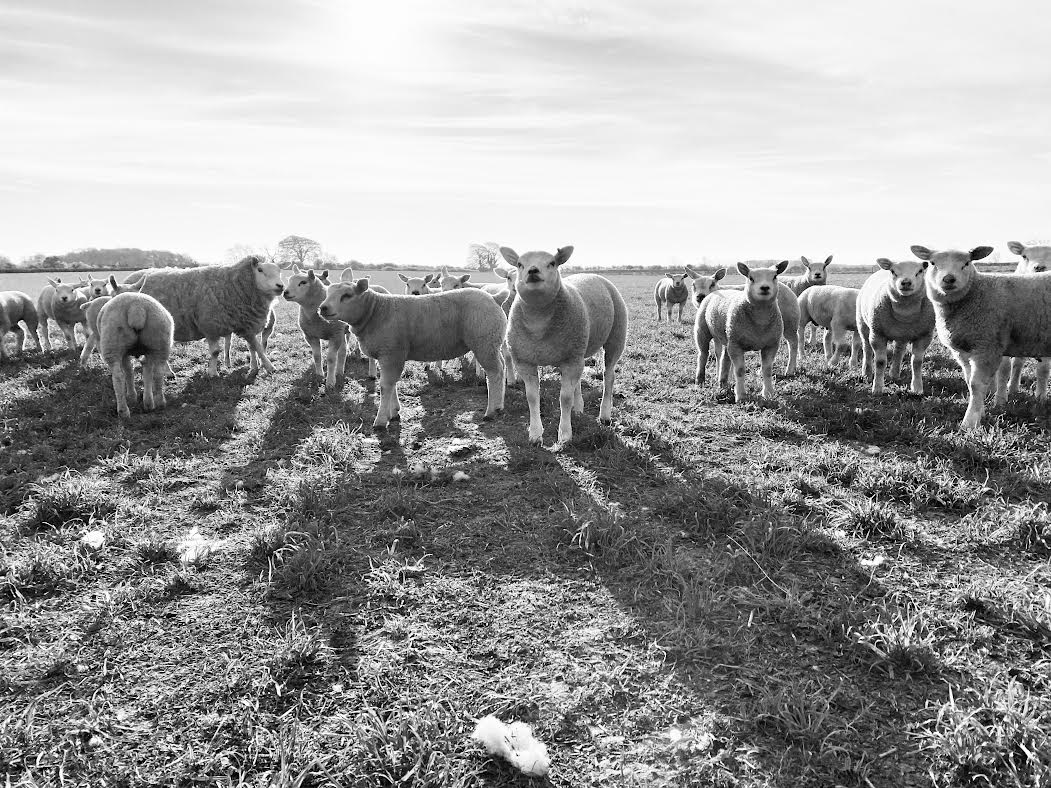
As the demand for wool has decreased, the price farmers get paid for their wool has also drastically decreased. Farmers are getting paid around 35p a kg, meaning the wool doesn’t even cover the cost of the sheep being sheared. Where as years ago the wool would be a large part of the farmers income. You may be wondering why shear the sheep then? Sheep need to be sheared once a year to help improve animal welfare, it helps reduce the risk of parasite infestation like flystrike and avoids heat stress in the summer.
Sheep farming is often a crucial livelihood in many rural areas, providing jobs and sustaining local communities. "The sheep sector employs 34,000 people on farms and a further 111,405 jobs in allied industries. This contributes a huge £291.4m to employment.” (National Sheep Association). By purchasing British wool, consumers help maintain these jobs and stimulate local economies, ensuring that rural communities can thrive.
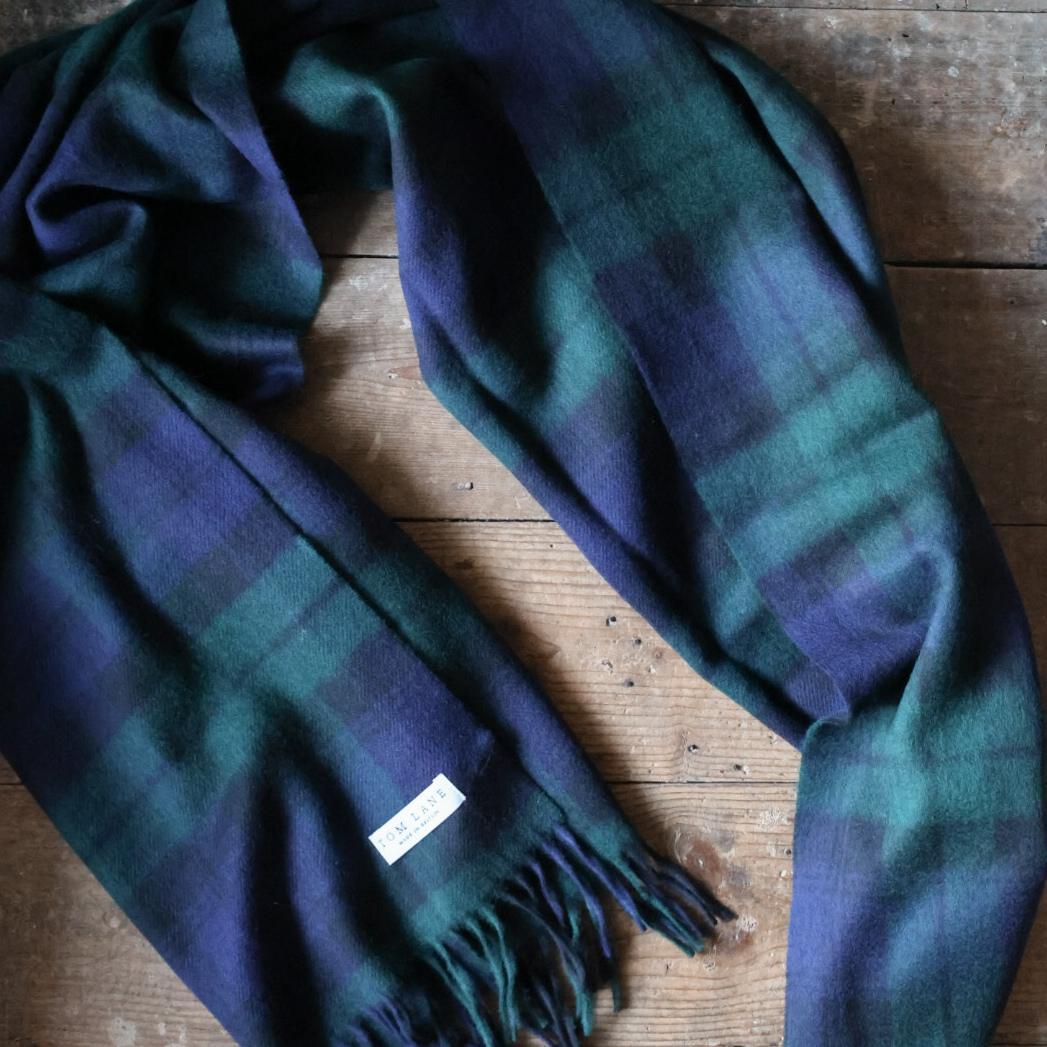
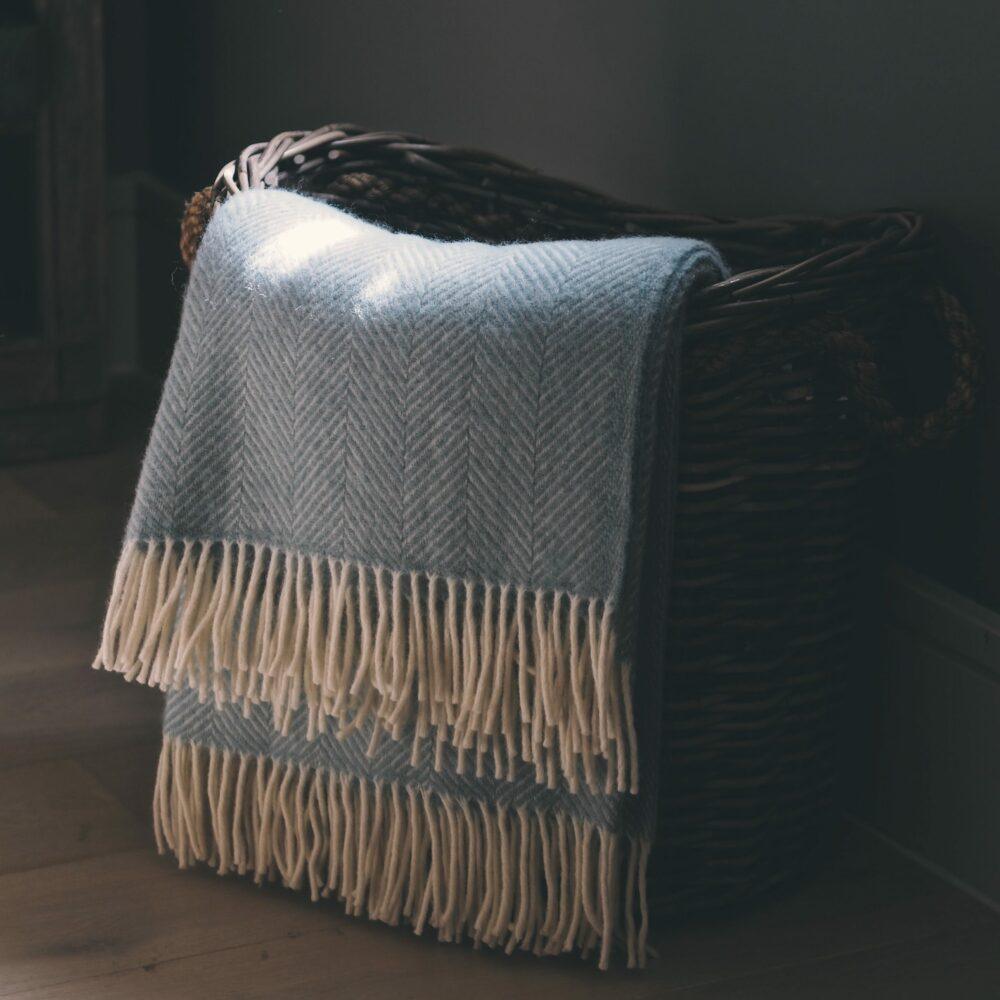
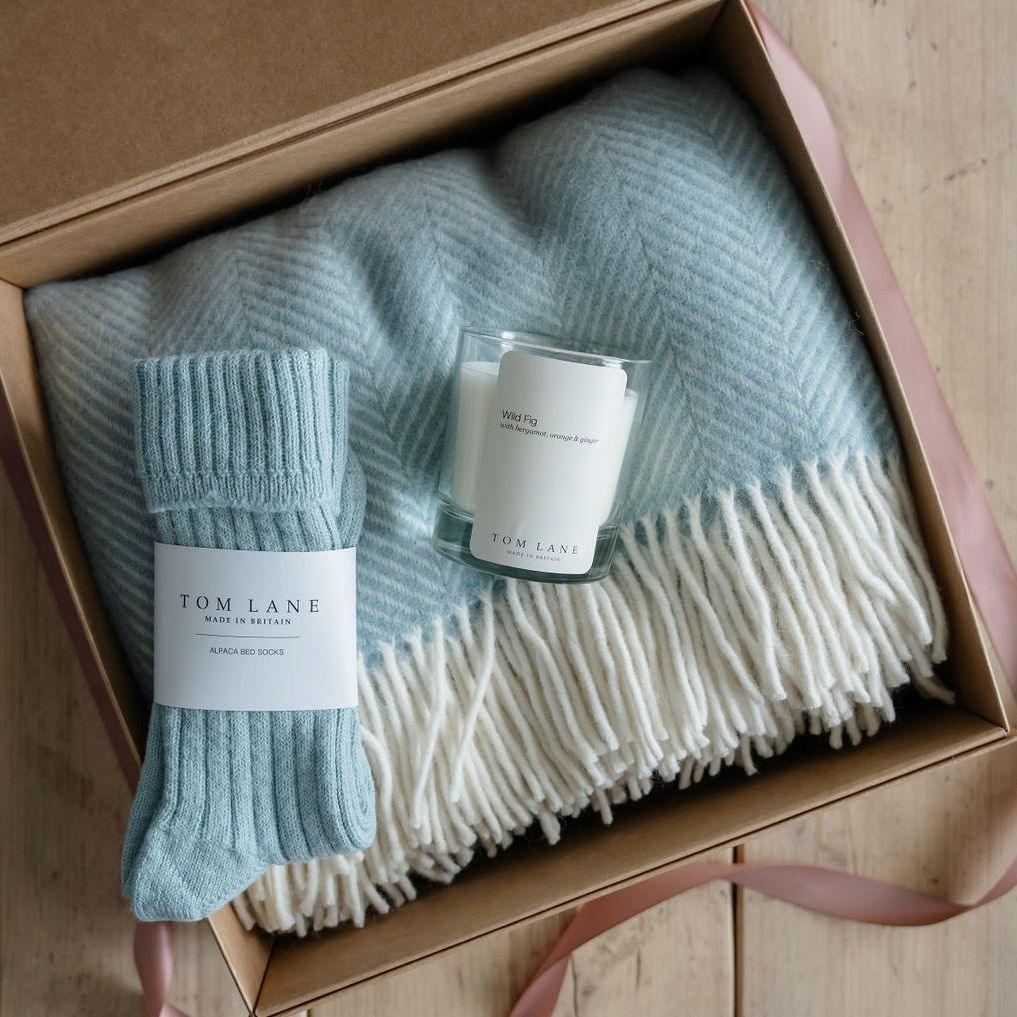
Moreover, British wool from particular breeds like Masham and Blue face Leicester, which the Tom Lane Coverdale throws are made from, is renowned for its quality and durability. From luxurious woollen garments to robust carpets, British wool products are known for their craftsmanship and longevity. Investing in these high-quality products means less frequent replacements, contributing to a reduction in waste.
Additionally, supporting the British wool industry helps preserve a significant part of the UK’s cultural heritage. The tradition of farming and textile production has been passed down through generations, and maintaining this heritage is essential for future generations to appreciate and learn from.
In conclusion, supporting the British wool industry helps with environmental sustainability, economic stability, and cultural preservation. By choosing British wool, we not only enjoy amazing quality products that will last a lifetime but also contribute to a more sustainable and economically resilient future. It’s a little step with a large impact, Rewarding the people, the planet and not to forget the sheep.
Shop Tom Lane British Wool Coverdale throws here >> COVERDALE THROWS